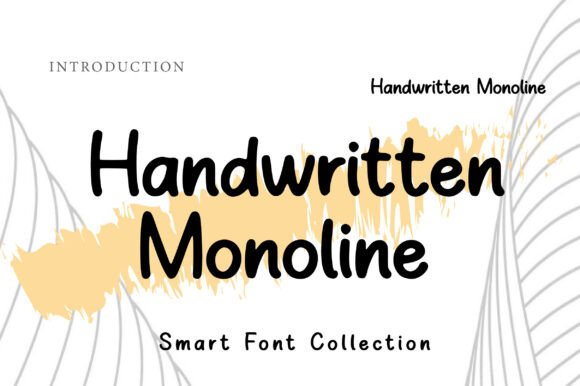
Handwritten Monoline: The Perfect Script Font for Web Design
When selecting the right typeface for a digital project, Handwritten Monoline stands out as a versatile choice among modern Fonts, offering a clean and friendly aesthetic that bridges the gap between casual warmth and professional clarity. As web designers and UI creators, we often struggle to find a Script Handwritten style that maintains legibility on small screens while still conveying a distinct brand personality, but this specific typeface solves that problem with its smooth single-stroke construction. The natural writing flow and soft rounded ends create an inviting atmosphere for users, making it an ideal candidate for landing pages, hero sections, and conversion-focused layouts where trust and approachability are paramount.
Enhancing Visual Hierarchy in Hero Sections with Handwritten Monoline
In the context of high-impact web design, Handwritten Monoline serves as a powerful tool for establishing immediate visual interest within hero headers and above-the-fold content. Unlike many decorative Fonts that sacrifice readability for style, this Script Handwritten option utilizes balanced spacing to ensure that headlines remain crisp even when scaled up for large desktop monitors or compressed for mobile viewports. When used in a hero section, the smooth single-stroke monoline style draws the eye without overwhelming the supporting sans serif body copy, creating a harmonious rhythm that guides the user's scanning behavior. For SaaS founders and product creators, leveraging this font for primary value propositions can soften the often sterile feel of tech interfaces, adding a human touch that encourages deeper engagement.
Optimizing Call-to-Action Buttons for Higher Conversion Rates
Integrating Handwritten Monoline into call-to-action (CTA) buttons is a strategic move for designers looking to increase click-through rates on landing pages and online stores. Because this Script Handwritten typeface features soft rounded ends and a casual demeanor, it reduces the perceived friction of committing to an action, making "Sign Up" or "Buy Now" buttons feel more like friendly invitations than demanding commands. When pairing these Fonts with solid background colors, the clean lines of the monoline style ensure that the text remains legible against various contrasts, a critical factor for accessibility and usability. Whether designing for a coaching website or a boutique e-commerce platform, using this font for short, punchy phrases on buttons can significantly enhance the overall tone of the user interface.
Building Consistent Brand Identity Across Digital Platforms
Maintaining a cohesive online identity requires a typography system that translates well across different mediums, and Handwritten Monoline excels in providing that consistency from social media graphics to full website layouts. As a premium Script Handwritten asset, it allows brands to inject personality into their digital presence without sacrificing the professionalism required for corporate or editorial contexts. The natural writing flow inherent in this font family ensures that brand messages feel authentic and hand-crafted, which is particularly effective for creative entrepreneurs and bloggers who rely on personal connection to drive growth. By standardizing on these Fonts for headers, logos, and accent text, designers can create a recognizable visual language that users instantly associate with the brand's unique voice.
Effective Font Pairing Strategies for Modern Web Layouts
To maximize the potential of Handwritten Monoline, it is essential to pair it with complementary typefaces that support its casual yet structured nature. A common and effective strategy involves combining this Script Handwritten display font with a geometric sans serif for body text, creating a contrast that highlights the organic curves of the headline while maintaining optimal readability for long-form content. Alternatively, pairing it with a modern serif font can elevate the design for editorial-style blogs or luxury product pages, adding a layer of sophistication to the casual script. When working with these Fonts, designers should pay attention to x-height alignment and line spacing to ensure that the transition between the handwritten header and the functional body copy feels seamless and intentional.
Ensuring Readability and Performance on Mobile Devices
With mobile traffic dominating the web, the legibility of Handwritten Monoline on smaller screens is a crucial consideration for any responsive design project. The smooth single-stroke monoline style of this Script Handwritten font prevents the ink traps and complex ligatures found in other scripts from blurring or disappearing on low-resolution displays. Designers must ensure that when using these Fonts for subheadings or navigation elements, the font size and line height are adjusted to accommodate touch targets and quick scanning behaviors. The balanced spacing of the typeface aids in preventing character crowding, ensuring that words remain distinct and easy to parse even when viewed on a smartphone in bright sunlight or during a quick commute.
Licensing and File Formats for Professional Web Implementation
Before implementing Handwritten Monoline in client projects or commercial products, it is vital to verify the licensing terms to ensure compliance with web usage rights. Professional designers need to confirm that the purchased license covers embedding these Fonts via @font-face or third-party services like Adobe Fonts or Google Fonts, depending on the distribution method. Additionally, checking for available file formats such as WOFF2 is essential for optimizing load times and rendering performance across different browsers. For those creating digital templates or theme assets, understanding the scope of the commercial license ensures that the end-users of your designs are also covered, preventing legal issues down the line. By securing the proper rights for this Script Handwritten asset, agencies and freelancers can confidently deploy high-quality typography that enhances the value of their digital deliverables.